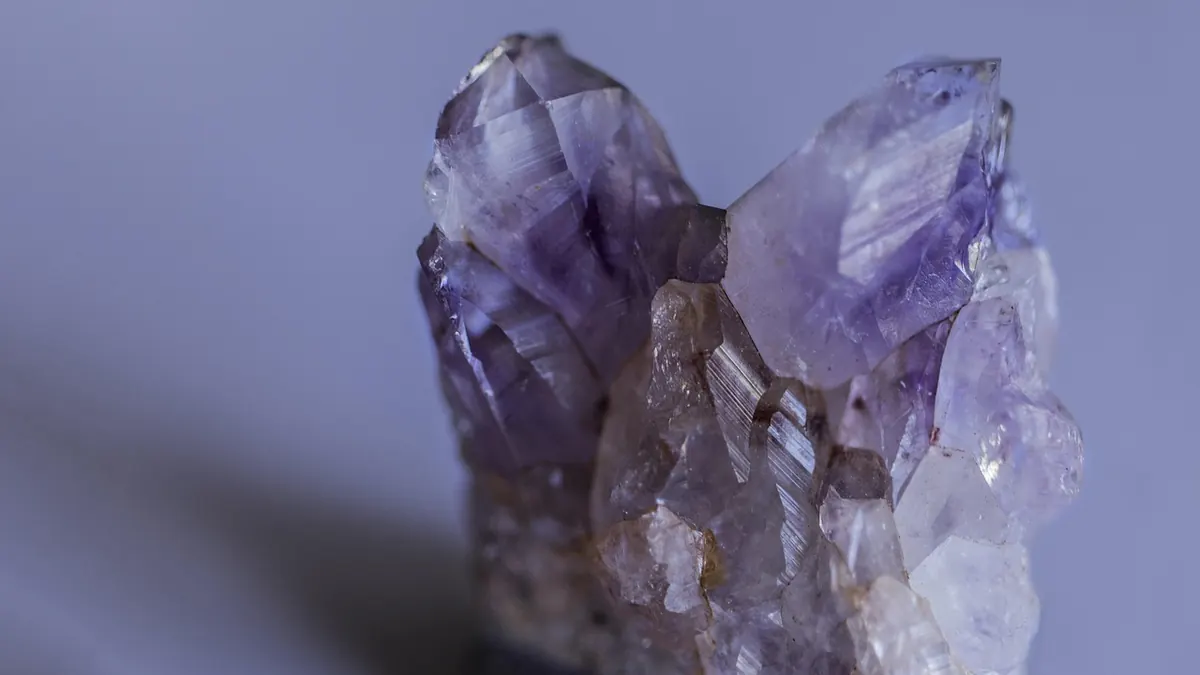
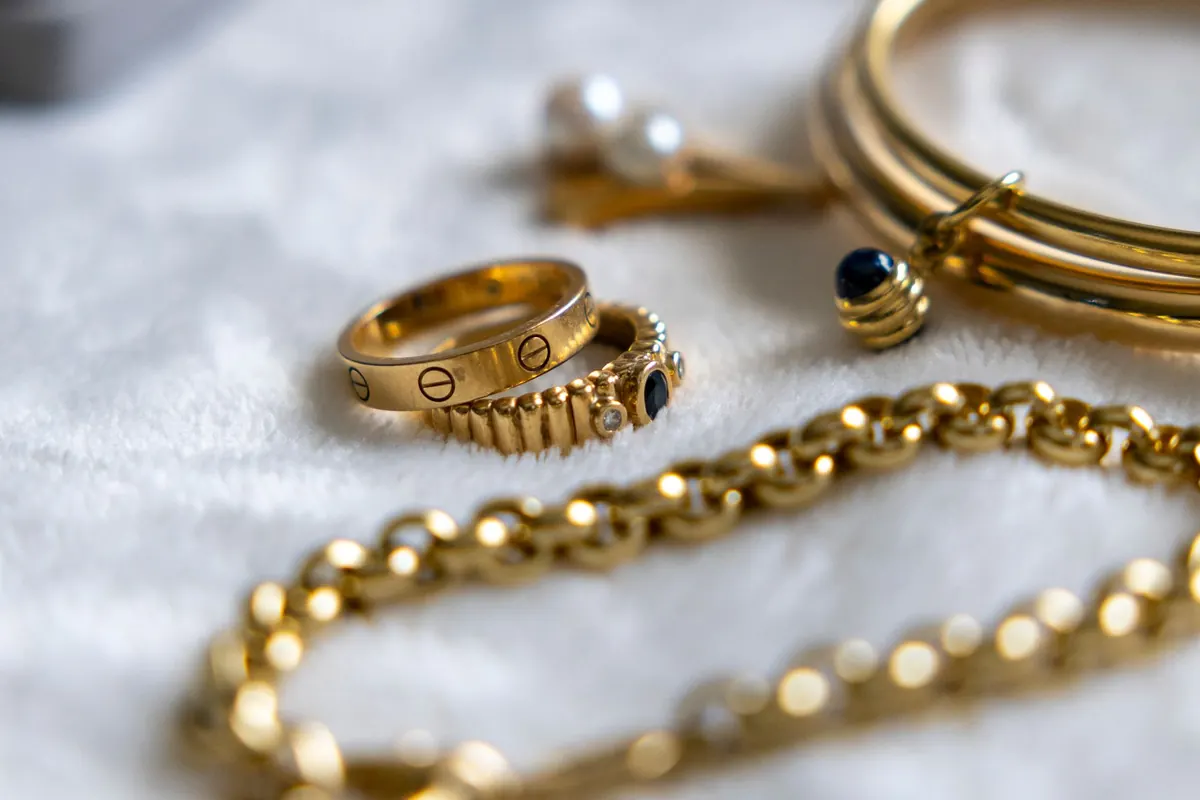
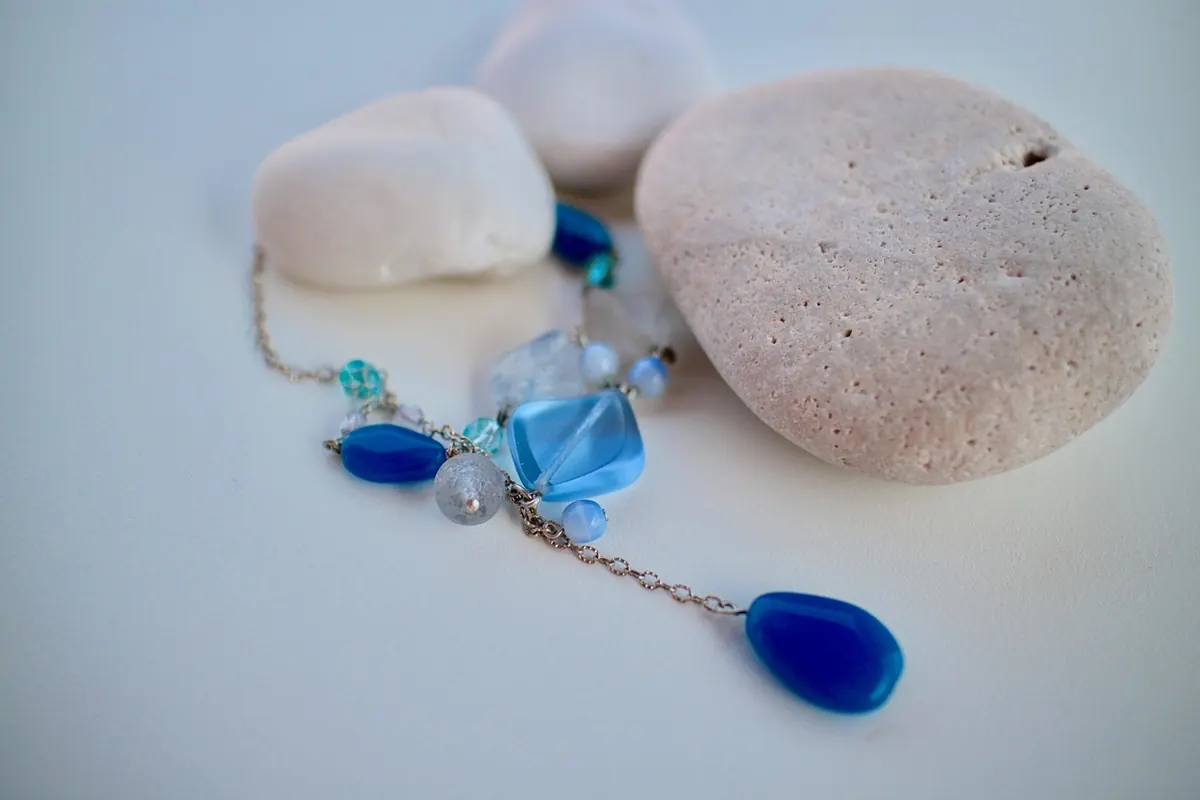
Gemstones of the British Isles: Whitby Jet, Cornish Serpentine and More
From Whitby jet to Cornish serpentine and Derbyshire's Blue John, a practical guide to the British Isles' native gem materials, their histories, where to find them and how to...
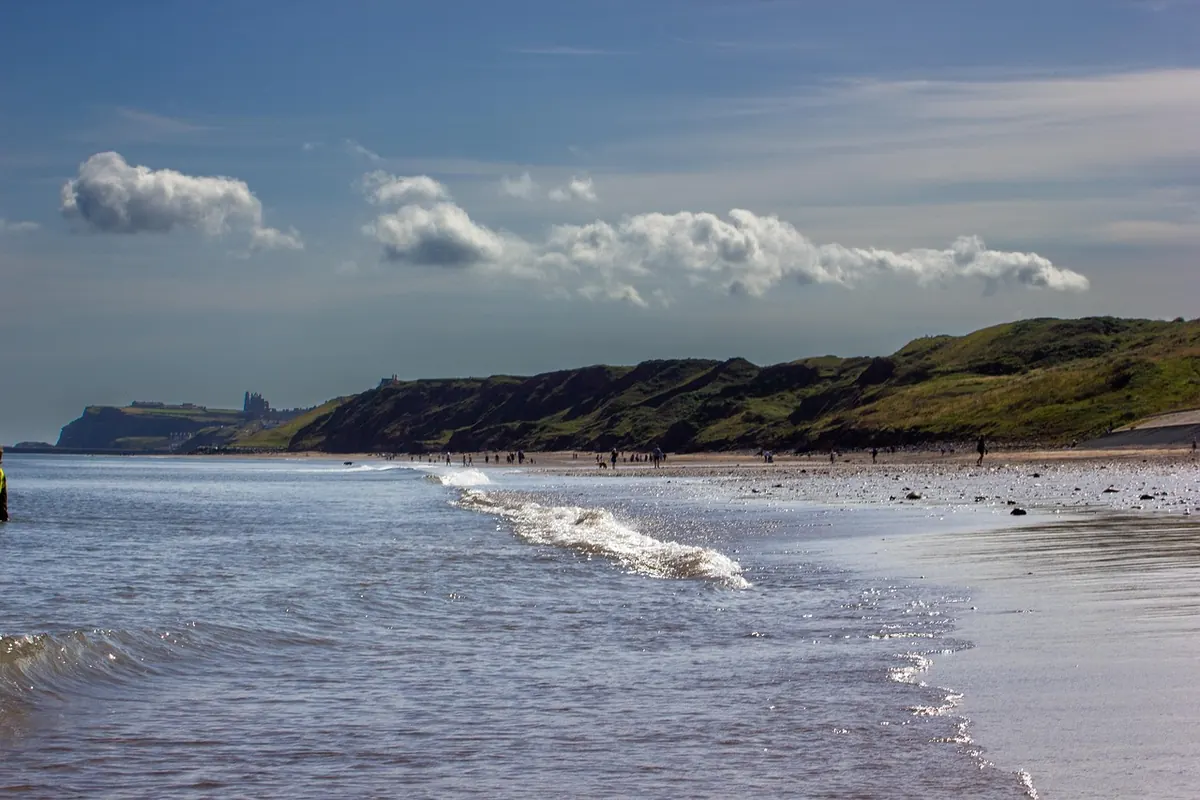
Britain is not a country most people associate with gemstones. There is no diamond pipe, no emerald mine, and the closest many of us get to a real find is a piece of sea glass on a shingle beach. Yet the islands have produced stones that jewellers still ask for by name: jet from the Yorkshire coast, green serpentine from the Lizard, banded fluorite from a Derbyshire hillside. Each one comes with a geology lesson, a bit of social history and a strict set of handling rules. Here is what they are, where they turn up, and how to look after them.
Whitby Jet: Fossil Wood with a Victorian Reputation
Jet is fossilised wood, mostly from conifers related to the monkey puzzle, buried in Jurassic mudstones around Whitby some 180 million years ago and compressed into a hard, workable form of lignite. It is remarkably light, warm to the touch and takes a mirror polish, which is why it was carved into beads and pendants long before anyone thought of it as fashionable.
Fashion arrived in the nineteenth century. After Prince Albert died in 1861, Queen Victoria's prolonged mourning made black jewellery essential, and Whitby workshops employed hundreds of cutters and polishers to meet demand. The trade died away, but the material did not: winter storms still shift pebbles onto the sands at Saltwick Bay, Runswick Bay and below the abbey, and a handful of local workshops still cut and set it.
Jet sits at roughly 2.5 to 4 on the Mohs scale, so treat it like a soft stone. Store it in its own pouch rather than loose in a jewellery box, and keep it away from radiators and hot cars. On the beach, collect only loose pebbles. Digging into the cliffs is dangerous, damages protected geology and is not permitted in many places.
Cornish Serpentine: The Lizard's Green Stone
Serpentine comes from the Lizard Peninsula, where a slice of ancient ocean floor was pushed up onto the land during a continental collision. The best-known collecting grounds are around Kynance Cove, Coverack, Cadgwith and Kennack Sands, though much of that coastline is protected.
The stone is mottled green with red-brown and cream veining, and feels waxy or soapy in the hand. Victorian turners worked it on lathes into candlesticks, obelisks, eggs and brooches, and small workshops on the peninsula still carve it today. It is also soft — the same 2.5 to 4 range as jet — so a serpentine ring will scratch unless it is set carefully and worn with a little thought.
If you are visiting, remember that many Lizard beaches are Sites of Special Scientific Interest or National Trust land. Buying a finished piece from a local carver is usually the better outcome for everyone.
Blue John: Derbyshire's Banded Fluorite
Blue John is found in one small area of the Peak District, around Castleton, where bands of purple, blue, yellow and white fluorite run through the limestone. Treak Cliff and Blue John Cavern are the historic workings, and the name is generally thought to come from the French bleu et jaune — blue and yellow.
The Victorians loved it for vases, bowls and clock cases; today it appears mostly in jewellery and small ornaments. It is beautiful and unforgiving: fluorite is around 4 on Mohs with perfect cleavage, meaning a knock along the wrong plane can split a piece cleanly in two. Strong sunlight can also fade the colour. Keep it out of sunny windowsills, away from ultrasonic and steam cleaners, and never near acids.
Scottish Agate, Cairngorms and Pebble Jewellery
Agate, jasper and chalcedony nodules weather out of old volcanic lavas along the Angus coast around Montrose, and in parts of Fife and Ayrshire. They are banded, translucent and endlessly varied, and Victorian jewellers set them in silver as "pebble jewellery", often alongside cairngorms — smoky quartz from the Cairngorms.
Queen Victoria's enthusiasm for Scotland turned these stones into a national fashion, and brooches from that period still surface at auction. For modern collectors, the technique is simple: search gravel and shingle just after a storm or a big tide, and carry a bottle of water. Wet stones reveal their banding; dry ones often look like ordinary pebbles.
What to look for
- Rounded pebbles with a faint waxy sheen — likely chalcedony or agate.
- Concentric bands or mossy inclusions visible when wet.
- Deep red, ochre or brick-coloured stones — usually jasper.
- Smoky brown translucent crystals — cairngorm-type quartz.
Welsh Gold and Other Rarities
Gold has been worked in Wales since at least Roman times, when the mines at Dolaucothi were in operation. The Dolgellau belt in north Wales produced the fine gold used in British royal wedding rings for about a century, and it remains genuinely scarce. Panning a river or digging a hillside without the landowner's permission is not a hobby, it is trespass, and any gold found on someone else's land belongs to them.
Elsewhere, Cornwall yields clear quartz crystals, sometimes called Cornish diamonds, along with dark, dense cassiterite from its tin-bearing veins. Cumbria is known for the banded haematite from around Egremont, nicknamed kidney ore, which polishes to a metallic grey. And Scotland's rivers hold freshwater pearl mussels — a protected and endangered species. Leave them where they are; collecting them is an offence.
Where to See and Buy British Stones
Museums are the cheapest way to train your eye before you spend anything.
- Whitby Museum holds a fine jet collection, and jet workshops on Church Street still cut the stone.
- Treak Cliff Cavern and the Castleton area show Blue John veins in place, with pieces for sale nearby.
- The Lizard — craft shops and studios around Cadgwith, Coverack and Helston sell locally carved serpentine.
- National Museum of Scotland, Edinburgh for Scottish agates and Victorian pebble jewellery.
- National Museum Cardiff for Welsh gold and mineral displays.
- Local lapidary clubs and mineral societies are the fastest route to hands-on help with cutting and identification.
Wherever you buy, ask the maker where the stone came from. Anyone working with British material will usually be pleased to tell you.
Collecting on the Beach: A Short Checklist
- Check who owns the land and whether collecting is allowed. Many beaches, cliffs and foreshores are protected sites.
- Never hammer or dig into a cliff face or rock outcrop. Take loose material only.
- Go on a falling tide, carry a tide table, and tell someone where you are going.
- Wear sturdy boots, take gloves, and avoid climbing on wet rock.
- Take a few good pieces rather than a bucketful, and leave the rest for the next person.
Caring for Softer British Stones
Most native British gem materials are soft. Jet, serpentine and Blue John sit between roughly 2.5 and 4 on Mohs, while agate and quartz reach 6.5 to 7. That difference matters when you store jewellery: a quartz bracelet in the same box will scratch a jet pendant within weeks. Keep pieces in separate soft pouches, clean them with lukewarm water and a drop of mild washing-up liquid, and dry them with a soft cloth. Skip ultrasonic and steam cleaners for anything soft, and keep fluorite and jet out of direct sun.
For repairs, resets or insurance valuations, use a qualified jeweller or gemmologist rather than a home kit. If a piece matters to you financially, an up-to-date written valuation is worth arranging properly.
Getting Started
Begin with a museum, then a beach. A winter walk at Whitby or a low tide at Kynance will teach you more about texture and weight than any photograph. Buy one good piece from a maker who can name the source, handle it often, and you will soon recognise the real thing in the field. If the collecting bug bites, join a local lapidary club before buying equipment — the members will save you money and point you towards places where collecting is both legal and worthwhile.
Photo: TheBritishWild / Pixabay