
Raw vs Polished Crystals: Which Should You Choose?
Raw crystals keep their natural shape and texture; polished pieces are smooth, bright and easy to handle. Here is how to choose between them.
Pick up a rough chunk of rose quartz and a smooth palm stone cut from the same material, and they feel like two different objects. One catches the light in dozens of small fractures; the other holds a single soft glow. Both are genuine, both have their place, and choosing between them comes down to what you actually want from a piece — how you will hold it, where it will live, and how much upkeep you are happy to do.
What the labels really mean
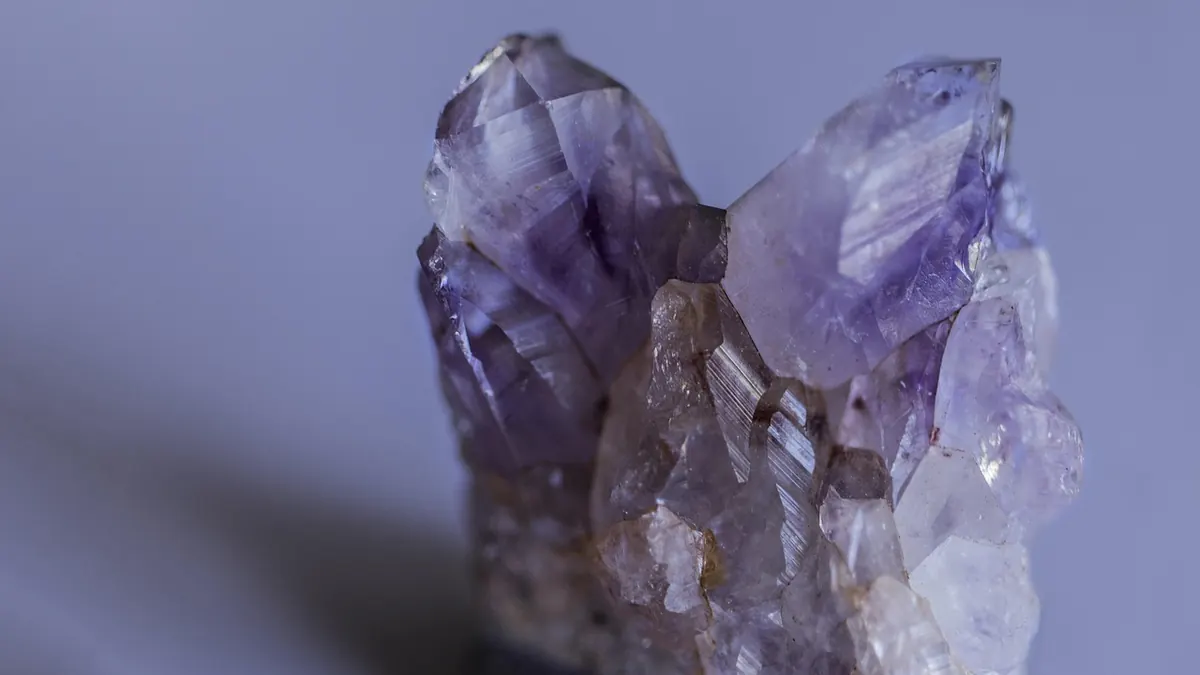
Raw crystals are cleaned, and sometimes trimmed at the base so they stand, but their shape is the one the earth gave them. Expect uneven edges, matte surfaces, patches of matrix rock and the odd natural chip. A raw piece is essentially a specimen that has been dusted off and nothing more.
Polished is a broader category. It includes tumbled stones with rounded edges and a satin-to-glossy finish, cut and faceted pieces, palm stones, spheres, points and slabs. The stone has been ground and buffed until the surface is smooth, which usually deepens the colour and lets light travel through the material rather than scattering off it.
How each type feels in the hand
This is where personal preference does most of the work. Raw pieces tend to feel heavier, cooler and more obviously mineral — many people find that holding an untouched cluster while sitting quietly makes it easier to focus, simply because there is more texture to notice. Polished stones feel warmer within a minute or two, sit comfortably in a closed palm and are far easier to carry in a pocket.
There is no measurable difference in what the two forms "do". Anyone who tells you polished points are stronger than raw ones, or the reverse, is describing a preference rather than a property. What matters is whether a piece makes you want to pick it up. A stone you handle daily will do more for your routine than a beautiful specimen that stays in its box.
Looks: texture versus glow
Raw
Raw pieces read as sculpture. Irregular silhouettes cast interesting shadows, and the mix of crystal face and dull matrix tells you something about where the stone came from. They suit shelves with natural light, wooden surfaces and rooms where you want a quieter, more organic feel. A single large raw amethyst cluster can carry a whole corner.
Polished
Polished pieces read as colour. A sphere on a stand acts as a focal point, a tumbled stone looks deliberate in a small dish, and faceted material turns any nearby light source into sparkle. They work better in small rooms and on busy surfaces, where a raw cluster risks looking like rubble.
One practical note on colour: polishing removes the cloudy outer layer, so a dull-looking rough stone can become surprisingly vivid once worked. If you are buying online, check whether the photo shows the exact piece you will receive or a representative one.
Care and cleaning
Raw stones are not automatically fragile — quartz, agate and jasper are tough — but their crevices collect dust and their edges can chip if knocked. Polished stones are more forgiving to wipe, though their surfaces show fingerprints and smudges.
- Dust raw pieces with a soft dry brush or a dry microfibre cloth. Do not soak anything with visible flakes or a friable surface.
- Keep soft minerals dry. Halite, selenite and similar materials can dissolve or pit in water, and pyrite can rust. When in doubt, clean dry.
- Wipe polished stones with a slightly damp cloth, then buff dry. Skip household sprays, bleach and acidic cleaners, which dull the finish.
- Store separately. Hard stones scratch softer ones. A cloth pouch per piece solves most of this.
- Watch the sunlight. Amethyst, rose quartz, citrine and fluorite can fade in strong, prolonged direct sun. A bright room is fine; a south-facing windowsill all summer is not.
- Carry tumbled stones, not raw ones. A tumbled piece survives keys, coins and pockets; a raw point will chip and shed grit.
Skip salt water and ultrasonic cleaners unless you know the specific mineral tolerates them. For most pieces, a dry brush and a bit of patience is enough.
Display and styling tips
Group by contrast rather than by type. Three or four pieces of different heights, with one raw piece and one polished piece among them, look more considered than a row of identical tumble stones. Raise something small on a wooden block or a stack of two books so the eye has a clear focal point.
Weight matters more than people expect. A large raw cluster on a high shelf is a genuine risk; put heavier specimens at waist height or lower, and keep anything unstable on a non-slip mat or stand. If a raw piece wobbles, trim the base with a small pad of museum putty rather than balancing it.
A quick way to decide
- You want to keep it in your pocket: tumbled or a small flat polished stone.
- You want to hold it during meditation: a polished palm stone, or a raw piece with one naturally smooth face.
- You want a centrepiece: a large raw cluster, or a polished sphere if space is tight.
- You want to wear it: polished and cut, since raw edges catch on clothing.
- You want to study or collect: raw, preferably with some matrix and a label noting the location.
- You want an easy, low-maintenance shelf: polished. Fewer crevices, less dusting.
Buying second-hand or from a market stall, ask whether a stone has been dyed, heat-treated or stabilised. Dyed agate and heat-treated amethyst sold as citrine are common and not dishonest when disclosed, but you should know what you are paying for.
Start with one of each
If you are still torn, buy a modest raw piece and a modest polished piece from the same mineral family and live with both for a month. You will quickly learn which one you reach for, and that tells you more than any guide. Fill your space with the pieces you actually touch and enjoy looking at, whether they are jagged, glossy or somewhere in between.
A final note: crystals are pleasant objects to collect and display, but they are not a treatment for any health condition. If you have a physical or mental health concern, speak to a qualified medical professional.