


The Real Difference Between Winning and Losing at Slots
Every slot player has that friend. The one who swears they cracked the code, who claims the machine 'gets hot' after a cold streak, who refuses to leave…
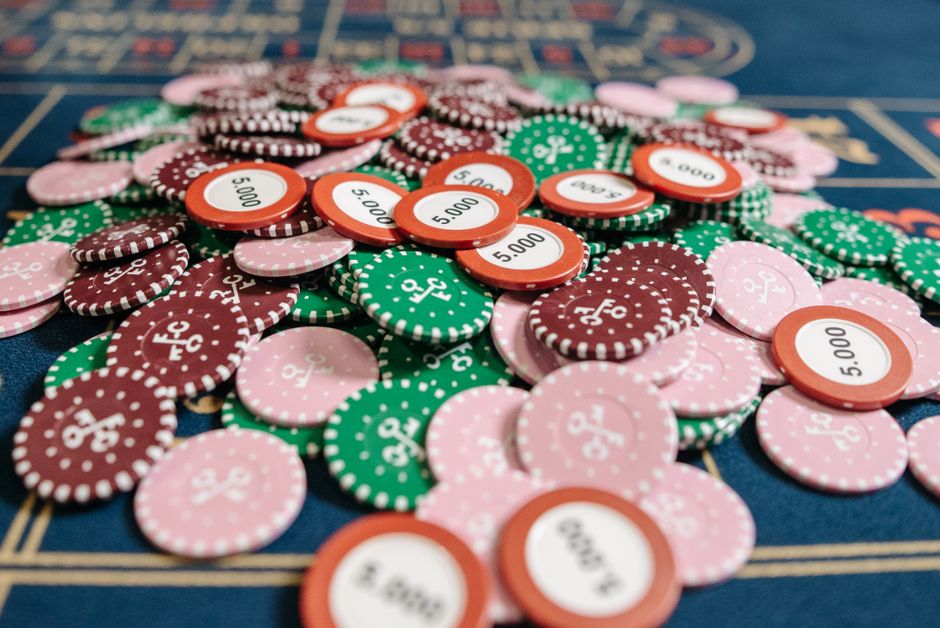
Every slot player has that friend. The one who swears they cracked the code, who claims the machine 'gets hot' after a cold streak, who refuses to leave because they're 'due'. Meanwhile, the rest of us quietly wonder if there's anything to it. After years of watching payout tables, reading volatility reports, and talking to people who actually build these games, here's the honest answer: slots aren't rigged against you, but they are engineered. And understanding that engineering is the closest thing to an edge you'll ever get.
Random Number Generators Don't Care About Your Feelings
Every legal slot on the market runs on a Random Number Generator, or RNG. It's a piece of software that spits out thousands of outcomes per second, and the moment you hit spin, it grabs whatever number happens to be next. That number maps to a symbol combination, and that combination determines your payout.
Here's the part most players miss: the RNG has no memory. It doesn't know you just lost eight spins in a row. It doesn't know the last player won $500. Each spin is statistically independent, which is why the 'due for a win' theory collapses under any real scrutiny. If you flipped a coin and got heads five times, the sixth flip is still 50/50. Same logic, just with worse odds baked in.
What the RNG does guarantee is the Return to Player percentage, or RTP. A slot listed at 96% RTP will, over millions of spins, pay back roughly $96 for every $100 wagered. That's not per session. That's not per night. It's a long-run average computed across an enormous sample, and in the short term, variance drowns everything out. A 96% RTP machine can eat your entire bankroll in twenty minutes without violating a single line of code.
Volatility Is the Variable That Actually Matters
If RTP is the long-term math, volatility is the short-term personality. Two slots can carry identical 96% RTPs and behave like completely different animals. Those comparing choices often turn to B52.
- Low volatility: Frequent small wins, slow bankroll drain. Think classic three-reel fruit machines. You'll stay in your seat longer, but you won't hit anything life-changing.
- Medium volatility: A balanced mix. Decent hit frequency, occasional multipliers that keep things interesting.
- High volatility: Long dry spells punctuated by massive payouts. Games like Book of Dead or Money Train sit here. You can spin 200 times and get nothing, then watch a bonus round pay 5,000x.
Most players pick slots based purely on theme or graphics. That's fine if you're playing for entertainment, but if you're trying to stretch a $100 deposit across an evening, choosing a high-volatility title is a good way to be done in fifteen minutes. Match the volatility to your bankroll and your patience, not just your mood.
The Math Doesn't Change, But Your Decisions Do
No strategy changes the house edge on a slot. You can't 'time' a machine. You can't warm it up. But you can control how much you expose yourself to that edge, and that's where disciplined players separate themselves from the rest.
- Set a loss limit before you start. Not a vague idea — an actual number. Write it down. When it's gone, you're gone.
- Treat winnings as a separate budget. If you're up $200, that's not free money. It's your money that happens to be up. Decide in advance how much you'd cash out at.
- Slower spin speeds stretch bankroll. An auto-spin running 10 spins per second will vaporize your balance. Manual spins slow the bleeding.
- Bonus funds have wagering requirements. Read them. A 40x wagering requirement on a $50 bonus means $2,000 in total bets before you can withdraw a cent.
A Quick Word on Casino Games Beyond the Reels
Slots get the attention, but the broader casino floor tells a more interesting story about edge. Blackjack, played with basic strategy, drops the house edge to around 0.5%. Video poker with proper play can push it under 1%. Baccarat's banker bet hovers near 1.06%. Meanwhile, the average slot sits between 2% and 10% depending on jurisdiction and game.
In other words, if your goal is to lose slowly, table games are math's gift to you. Slots are entertainment with a harder tax. Neither is 'smarter' — but knowing the difference means you stop fooling yourself about which one is giving you value.
Where Poker Fits Into This Entire Conversation
Poker is the odd one out, and it's worth a dedicated paragraph because people constantly lump it into the same bucket. Unlike slots, poker is played against other humans, not software's RNG. The house takes a rake, sure, but the money on the table moves between players. That means skill actually compounds over time.
A strong poker player can beat a weak one consistently, which is impossible on a slot machine. That doesn't make poker easy — the variance in tournament poker is brutal, and most recreational players lose to the rake before they ever lose to an opponent. But conceptually, poker is a game of decisions. Slots are a game of patience and budget. Betting markets sit somewhere in between, dependent on information and line movement. Knowing which category you're playing in keeps you honest about whether you're gambling or solving a problem.
The Only Real Skill in Slots
Here's the uncomfortable truth: if you're playing slots purely to win money, you're playing the wrong game. The only lever you control is when you walk away. That sounds defeatist, but it's actually liberating. Once you stop hunting for patterns that don't exist, you can enjoy the experience for what it is — a rollercoaster with pretty lights and the occasional rush of a bonus round.
Pick games with fair RTPs (96% or higher). Understand the volatility before you deposit. Set limits and respect them. And if you ever notice yourself chasing losses, or lying to people about how much you've spent, the machine was never the problem. The game was designed to do exactly what it did.
iGaming has grown into a massive industry precisely because it's fun, convenient, and occasionally generous. There's no shame in enjoying it — as long as you're the one holding the reins, not the RNG.